Preparing for a Drop-and-Hook Pickup at an Unfamiliar Yard
A drop-and-hook assignment can sound simple because the freight is already on a trailer. At an unfamiliar yard, however, the driver must connect a booking, a piece of equipment and a release process that may use different references. Preparing those details before arrival makes the visit easier to understand. It also helps the driver recognize a discrepancy early, while dispatch and the yard office still have time to resolve it through their normal channels.
Confirm which part of the assignment is current
Read the latest carrier instruction and identify the collection reference, facility, expected trailer and destination. Check whether the trailer number is confirmed or will be assigned at the site. An empty field can be intentional, but the driver needs to know who will supply the missing value and when.
Keep an amended assignment distinct from an earlier copy. If dispatch changes the collection during the day, the visible instruction should say which booking it replaces. Retain the history in the proper record without leaving the driver to choose between two equally plausible screenshots. A familiar customer name does not establish that yesterday's trailer or release number still applies.
Ask how the facility releases equipment
Learn the designated check-in point and the information the office expects. Some sites use a gate reference, others require a shipping document or an electronic release. Follow the confirmed process for the actual facility. A message from somebody outside that chain should be checked through the carrier before it becomes a new collection instruction.
For example, a driver may be told by another visiting driver that a particular row contains outbound trailers. That may help orient the visit, but it does not authorize a specific trailer's release. The yard's designated staff and the carrier's assignment need to identify the same movement before the collection proceeds.
Match equipment identifiers carefully
Use the fleet and trailer identifiers required by the carrier. Numbers can look similar from a distance, and equipment belonging to different companies may use overlapping numbering systems. Verify the complete identifier through the trained procedure rather than relying on the last few digits or the trailer's paint color.
Keep the assignment reference connected to the unit in the trip record. If the yard substitutes equipment, record the confirmed change and its source. The FMCSA Motor Carrier Safety Planner provides background on carrier operations and vehicle responsibilities. Company-specific instructions establish how the fleet documents a substitution and completes its required checks.
Give inspection the time it requires
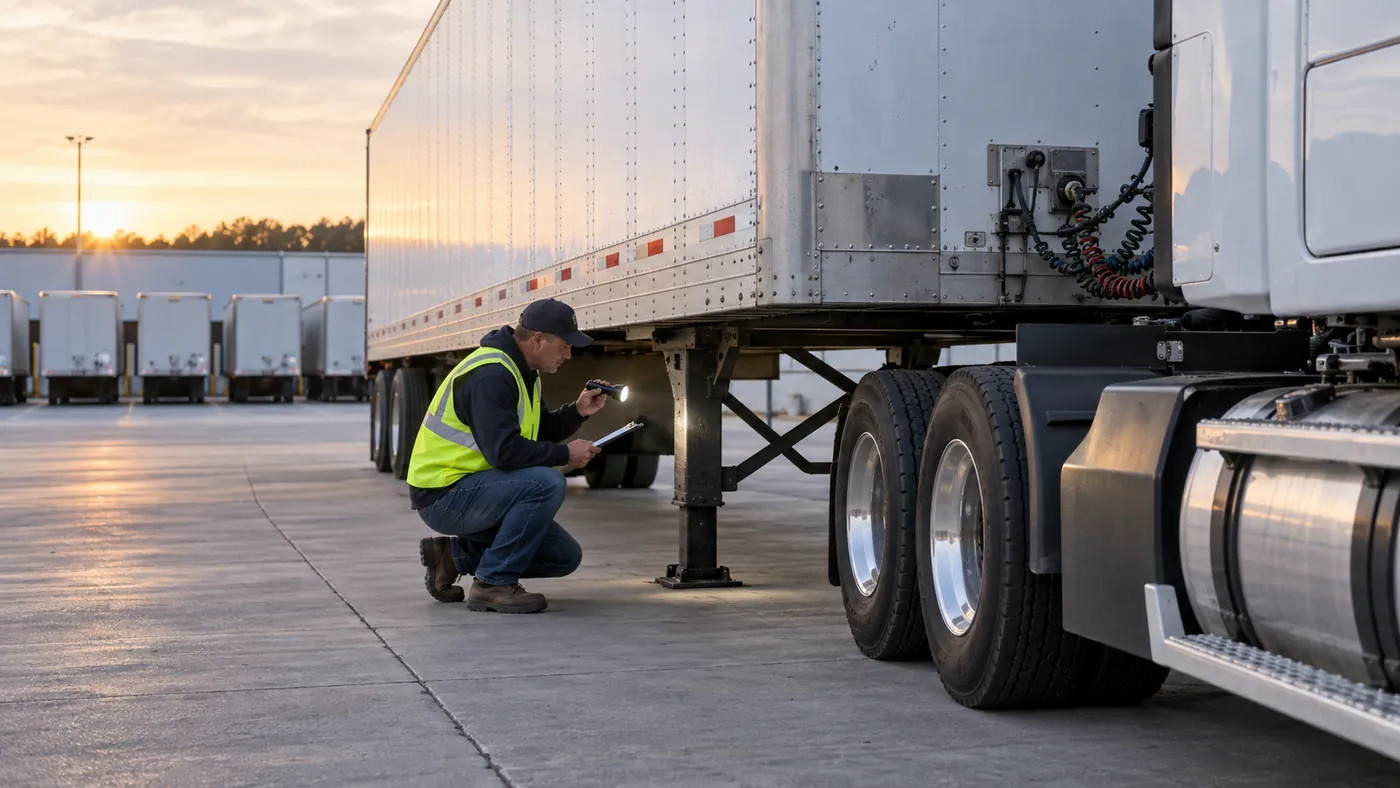
A loaded trailer still needs the applicable inspection and acceptance process. Follow the carrier's trained coupling and inspection procedures for the equipment involved. A pickup appointment is a scheduling detail, not a substitute for determining whether the combination is ready for operation.
Report a concern with the trailer's identity and location so the maintenance or yard team can find it. A note saying the trailer by the fence has a problem may become meaningless when units move. If the yard proposes another trailer, repeat the relevant acceptance process for that unit. A previous check of the original equipment does not transfer automatically to the replacement.
Keep cargo and seal information traceable
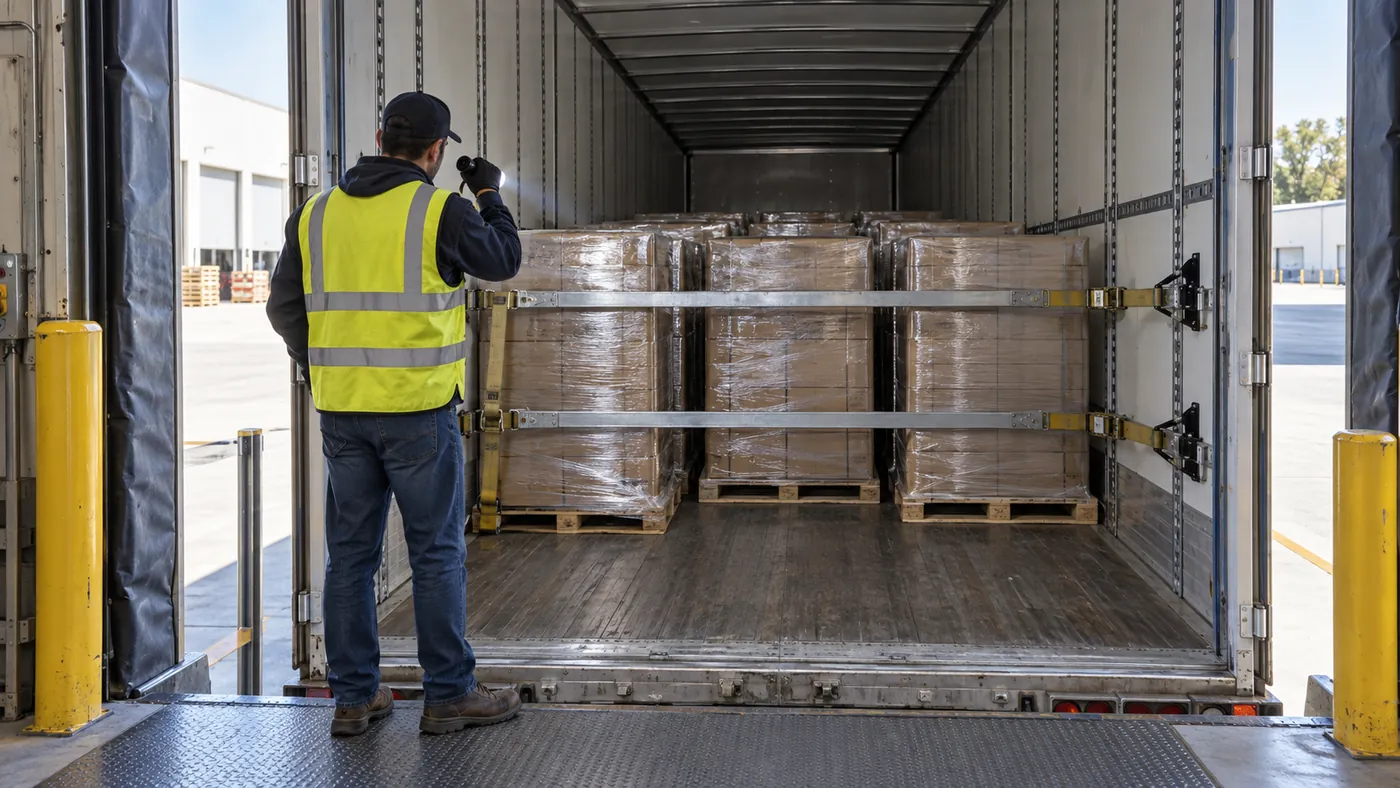
Where the shipment uses a seal, follow the shipper's and carrier's process for recording it. Keep the visible identifier with the correct trailer and booking. Do not interpret an intact seal as proof of the contents or their condition. It answers a narrower question within the shipment's documented control process.
If a seal or document disagrees with the instruction, stop the paperwork decision and contact the responsible parties. Avoid correcting a number from memory or copying the booking's expected value over a different observed value. The discrepancy itself is useful information. The authorized resolution should remain visible in the trip history.
Plan the visit beyond the trailer row
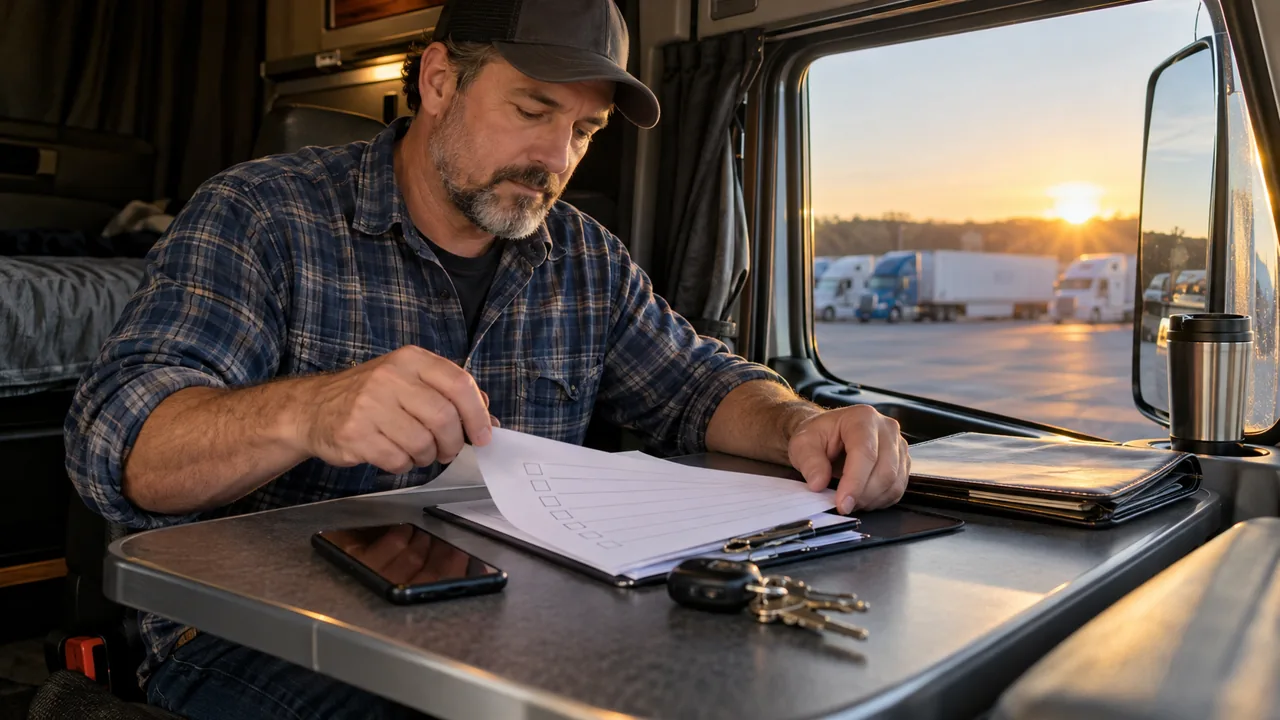
Check the site's exit process and the next communication point. A driver can finish the physical pickup and still need a document or release confirmation before leaving. Knowing that sequence avoids an unnecessary return to the office after the vehicle has joined an outbound queue.
The FMCSA cargo-securement resources provide additional background where applicable. The actual load, inspection access and instructions determine which procedures are relevant. Keep the carrier's requirements available rather than treating the drop-and-hook label as a single universal process covering every trailer and commodity.
Review one unfamiliar visit afterward
Write a short location note if the carrier maintains them. Include the designated entrance, office and verified release process, with a date. Mark temporary arrangements as temporary. A construction gate used for one visit should not become a permanent instruction simply because the driver successfully entered there once.
The most useful review asks what information would have reduced uncertainty before arrival. Perhaps dispatch could distinguish the trailer number from the release number, or the site could name its commercial entrance more clearly. Carry that correction into the next booking. A well-prepared pickup connects current instructions, confirmed equipment and a documented handover without depending on familiarity with the yard.
## Include the empty-trailer instruction
A pickup may also require the driver to leave an empty trailer. Confirm which equipment is being dropped, where the site accepts it and how the handover is recorded. An outbound release does not explain the empty trailer's destination. If the site changes the drop location, pass the confirmed update through the carrier's process. Keep the released trailer and dropped trailer as separate entries. A later question about either unit should lead to its own handover, with the applicable location and reference, instead of a general note saying the driver completed a swap somewhere in the yard.

